Mold remediation
Contained, removed and tested, with the moisture source fixed so it doesn’t return.
Learn more
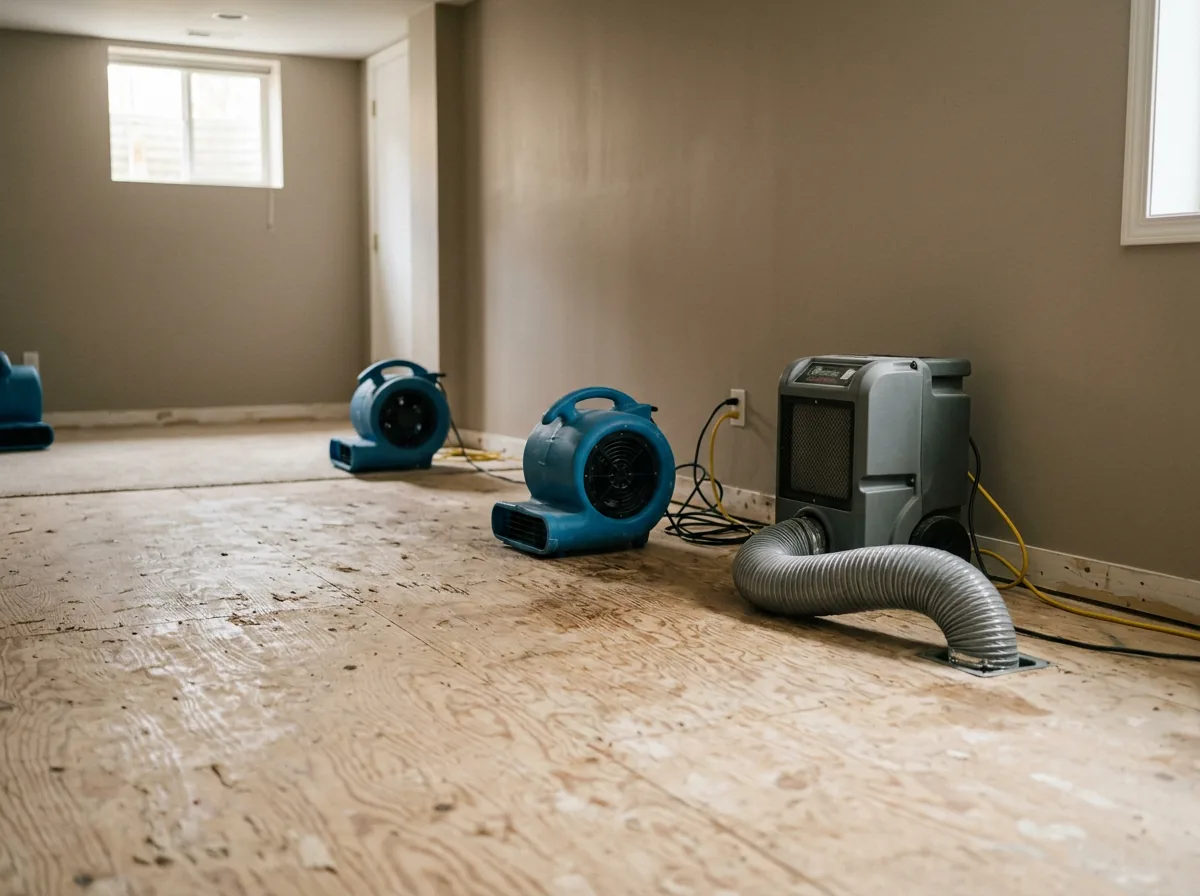
Water keeps moving after the leak stops: into walls, under floors and into the air. The sooner drying starts, the less has to be replaced.
Right now
Shut off the water at the main if you can do it safely.
Turn off power to wet areas at the breaker. Don’t touch wet outlets.
Move valuables and rugs off wet floors.
Take photos before you move anything else.
Don’t use a household vacuum on standing water.
What we do
Find and stop the source
Extract standing water
Map hidden moisture with meters and thermal imaging
Set drying equipment and monitor daily
Remove what can’t be saved, and document it
Repair and rebuild
What happens next
01
A project manager answers, asks a few questions and tells you what to do right now.
02
We stop the source, check for hidden moisture and document everything.
03
Extraction, drying equipment, containment and daily monitoring.
04
We put it back the way it was, or better, and walk it with you.
Good to know
On site within 60 minutes. We answer the phone 24 hours a day and send the nearest crew.
It depends on your policy and the cause. We document the damage and work with your adjuster, but your insurer decides coverage.
[LOCAL RULES ON CONTRACTOR CHOICE]. In most cases the choice is yours. Ask your insurer, and call us if you want a second opinion on the scope.
Most water jobs take three to five days of equipment, depending on materials and how far the water spread. We take readings every day and tell you when it is dry.
Often yes, but it depends on the damage. After a fire, or with mold or electrical risk, we may ask you to stay elsewhere until an area is safe. Your project manager will tell you before work starts.
Call any time. A project manager answers and a crew is sent straight away.